PALM OIL
Palm oil is an edible vegetable oil derived from the reddish mesocarp of the fruit of the African oil palm. The oil is used in food manufacturing, in beauty products, and as biofuel.
Indonesia is the world's largest producer and exporter of palm oil, supplying roughly half of the global market. Spanning over 16 million hectares primarily in Sumatra and Borneo, the industry accounts for 4.5% of GDP and employs over 16 million workers.
The country generates over USD 31 billion annually in export revenue.
(ISPO)
Indonesian
Sustainable
Palm
Oil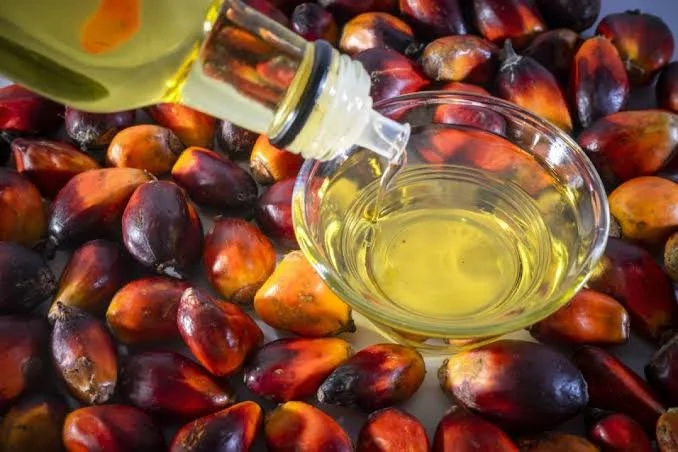
SPECIALTY FATS
Indonesia is the world's largest producer of palm oil, making it the epicenter for manufacturing value-added specialty fats.
Specialty Fats represent a crucial ingredient in the Food & Beverage industry, especially for Consumer Packaged Goods.
Key product lines include:
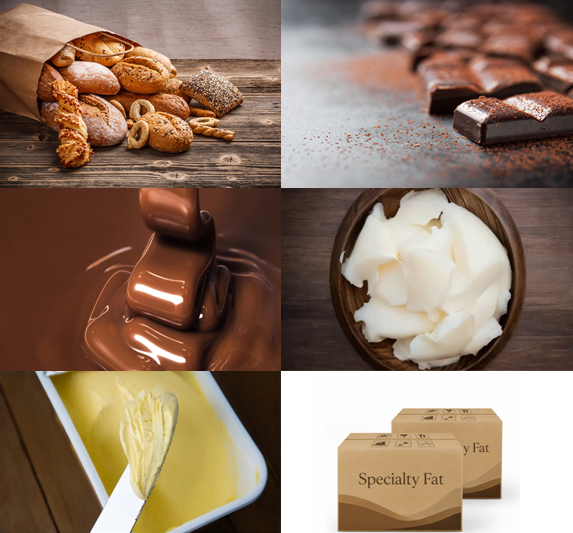
Cocoa Butter Substitutes (CBS) & Replacers (CBR): Used heavily by chocolate and confectionery makers to achieve desired mouthfeel, snap, and melting properties.
Filling and Icing Fats: Non-lauric and lauric fats formulated for wafer creams, biscuit fillings, and cake icings.
Bakery Margarines & Shortenings: Industrial and consumer fats engineered for specific baking applications like puff pastries, croissants, and cakes to improve texture and shelf life.
These ingredients are designed to withstand tropical climates, offering excellent shelf stability and heat resistance. They are processed using physical refining, fractionation, and hydrogenation to match the melting profiles of more expensive natural fats.
Our partner manufacturers offer a wide range of specialty fats to meet the needs of the bakery, dairy, and confectionery industries worldwide and customizes fats to meet customers’ specific requirements.
NATURAL RUBBER (TSNR)
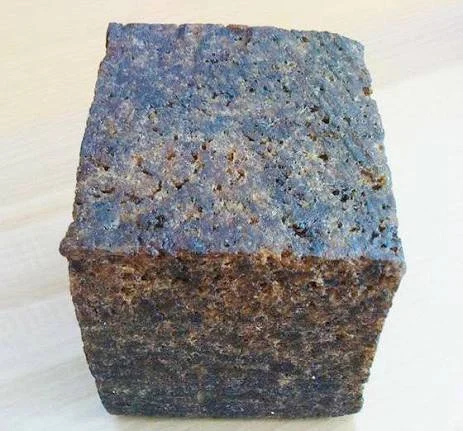
Natural Rubber (TSNR) in Indonesia is universally known as Standard Indonesian Rubber (SIR). It is categorized into Technically Specified Rubber (TSR) block/crumb grades, which are classified by dirt, ash, and volatile matter content, as well as plasticity and viscosity.
The main SIR grades are divided by raw material source (field latex or field coagulum/cup-lumps):
1. High Grades (Derived from Pure Field Latex)
These are light-colored rubbers with superior elasticity and low impurities, used in medical devices, engineering products, and light-colored goods.
SIR 3L: Light-colored crumb rubber, widely used in footwear and rubber bands
SIR 3CV / 3WF: Constant Viscosity (CV) grades that offer stable plasticity during manufacturing.
2. Standard Grades (Derived from Coagulum/Cup-Lumps)
These represent the highest export volume (particularly SIR 10 and SIR 20) and are the global gold standard for heavy-duty tire manufacturing and conveyor belts.
SIR 5: Higher quality block rubber with very low dirt limits (0.05% max)
SIR 10: Features controlled impurities and is ideal for high-volume tire production.
SIR 20: The most heavily produced and economical grade globally; the primary raw material for passenger and truck tires.
3. Specialty Grades
CV50 / CV60 (Constant Viscosity): Used to prevent hardening during storage and ensure smooth mixing in rubber plants.
VK (Viscosity Knotted): Modified to achieve specific viscosity characteristics for advanced compounding.
Every SIR grade produced by our partner manufacturers conform strictly to Indonesian National Standards (SNI 1903) and international ISO block-rubber metrics.
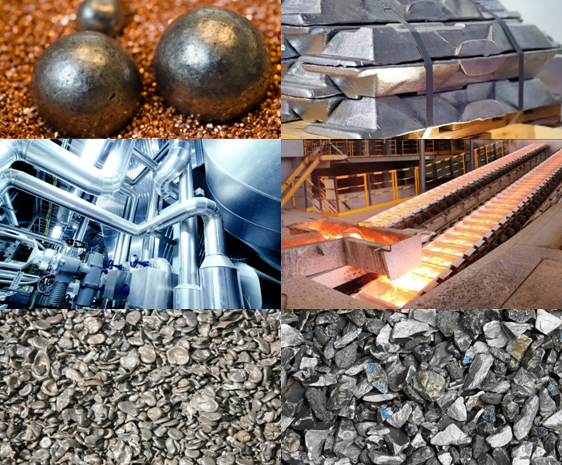
NICKEL AND METAL ALLOYS (FERROALLOYS)
Indonesia is the global powerhouse for nickel and ferroalloys (like Ferronickel/FeNi and Nickel Pig Iron/NPI). Driven by the ore export ban, processing hubs like the Morowali Industrial Park (IMIP) in Central Sulawesi and Weda Bay in North Maluku drive massive production. However, recent government regulations (PP No.24/2026) tightening state control over exports are currently causing compliance adjustments across the sector.
For global supply chains, roughly 80% of Indonesia's NPI and ferroalloy products are exported—with China, Taiwan, and Japan acting as the primary destinations. Prices and production quotas are heavily watched, as state controls recently led the country to cut 2026 nickel production targets to manage global supply dynamics.
What is nickel used for?
Nickel can be recycled endlessly without any loss of quality and has physical and chemical properties that make it a highly prized material.
Nickel is mainly used in the stainless steel production process. Its ability to retain its mechanical properties at high temperatures means that nickel can be used in special steels and superalloys, which are widely utilized in the aeronautics industry, for example.
It also offers greater energy density in electric vehicle batteries, which makes it an essential metal in terms of the energy transition.
Nickel is also used in the food safety, pharmaceutical and surgical sectors. Corrosion-resistant nickel-based alloys are used in the chemical industry and in environmental protection systems.